
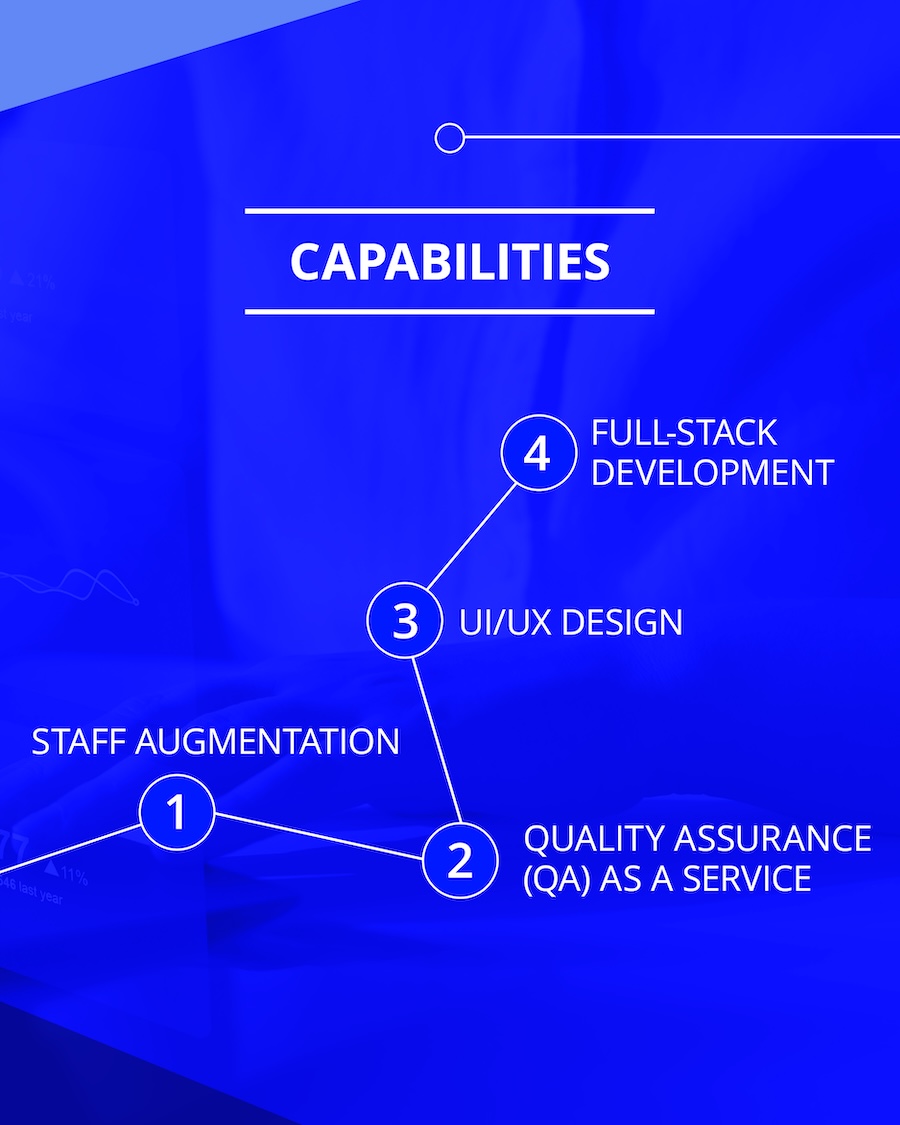
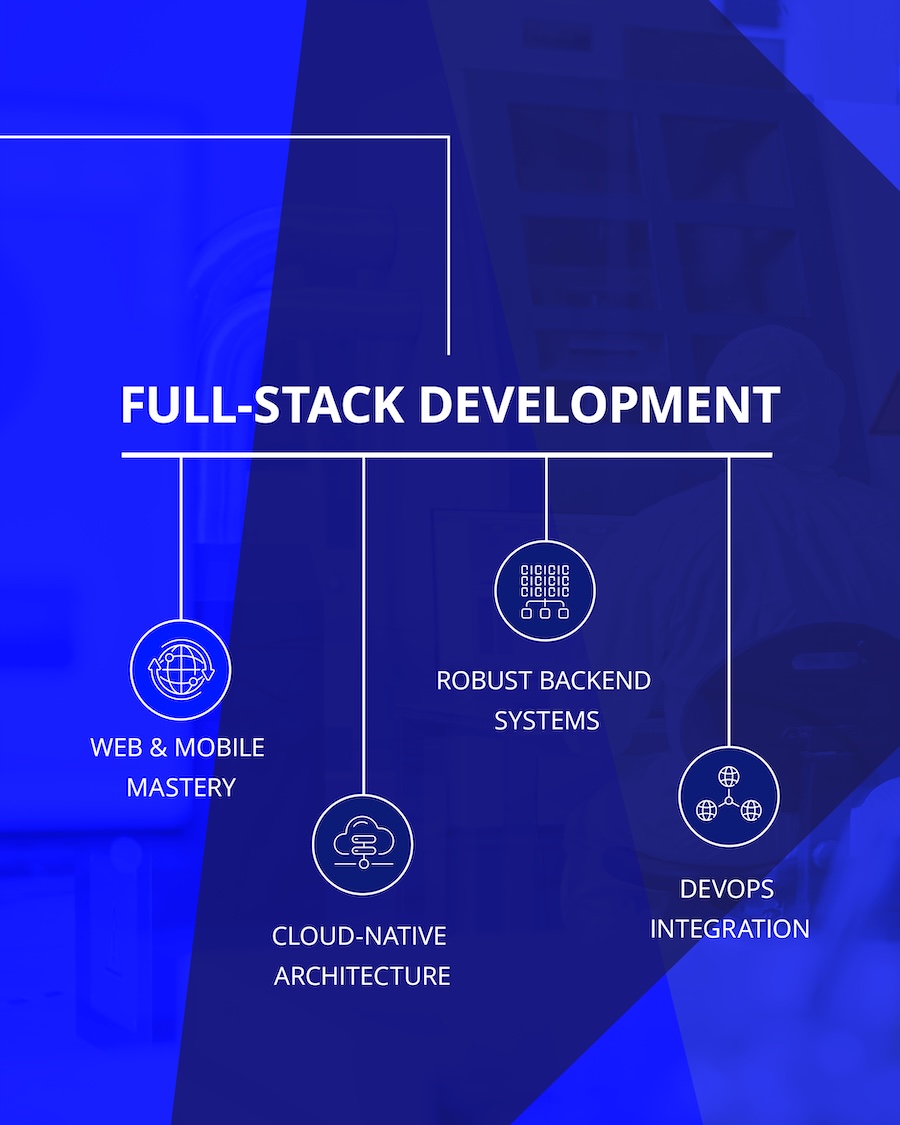
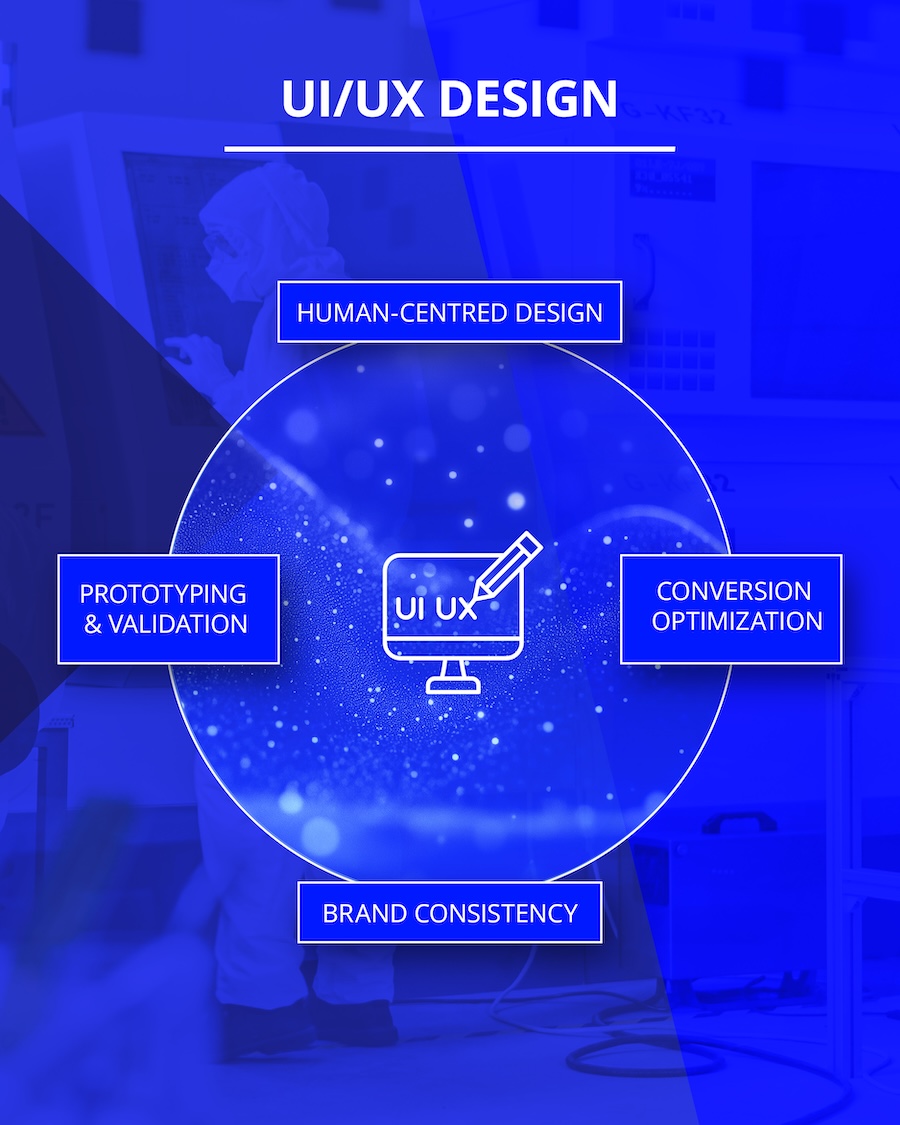
Software Development at Réalta Technologies: Building Scalable, Secure and User-Focused Digital Solutions
As 2025 comes to a close, the data analytics landscape continues to evolve at a pace few industries can match. What was once centred on historical reporting and isolated datasets has matured into a connected, intelligent ecosystem that influences decision-making in real time. For organisations across life sciences, pharmaceuticals, manufacturing, energy and utilities, data is no longer a by-product of operations. It is a strategic asset.
Looking ahead to 2026 and beyond, several clear trends are emerging that will shape how organisations collect, manage, analyse and act on data. These developments are not about adopting the latest technology for its own sake. They are about building resilience, maintaining compliance, improving efficiency and enabling smarter decisions across increasingly complex operations.
From Data Collection to Data Intelligence
One of the most significant shifts underway is the move from basic data collection towards true data intelligence. Many organisations have already invested heavily in historians, automation systems and reporting platforms. The challenge now is not access to data, but the ability to contextualise it, trust it and extract meaningful insight from it.
By 2026, successful organisations will be those that have moved beyond disconnected data sources and created well-structured, governed data foundations. This includes consistent naming standards, clear ownership, strong data integrity practices and alignment with operational models such as ISA-95. Without this groundwork, advanced analytics and AI initiatives struggle to deliver value.
Artificial Intelligence Becomes Operational, Not Experimental
Artificial Intelligence has dominated recent industry conversations, but its role is now shifting from experimentation to practical, operational use. In regulated industries especially, AI adoption has been cautious, and rightly so. However, we are now seeing a clear move towards AI solutions that are explainable, auditable and aligned with regulatory expectations.
In the years ahead, AI will increasingly be embedded into everyday operational workflows. This includes predictive maintenance, anomaly detection, quality monitoring, demand forecasting and decision support. Rather than replacing human expertise, AI will augment it, enabling engineers, operators and analysts to focus on higher-value tasks while routine analysis runs continuously in the background.
Importantly, organisations will place greater emphasis on trustworthy AI. This means models built on high-quality data, transparent logic and robust validation, particularly in life sciences and pharmaceutical manufacturing where patient safety and compliance are paramount.
Real-Time Insight Becomes the Standard
The expectation of real-time or near-real-time insight is becoming the norm rather than the exception. Operational teams increasingly expect to understand what is happening now, not what happened last week. Advances in data infrastructure, streaming technologies and modern visualisation platforms are making this possible at scale.
By 2026, real-time dashboards, alerts and analytics will be embedded across operations, from shop floor monitoring to executive decision-making. This shift supports faster response times, improved operational agility and reduced downtime. It also places greater responsibility on organisations to ensure that real-time data is accurate, contextualised and governed correctly.
Greater Focus on Data Architecture and Interoperability
As technology ecosystems become more complex, the importance of strong data architecture continues to grow. Organisations are increasingly recognising that long-term success depends on systems that can evolve without repeated large-scale rework.
Future-ready data strategies will prioritise interoperability between systems, vendors and platforms. This includes automation systems, data historians, analytics tools and enterprise applications working together seamlessly. Open standards, scalable architectures and flexible integration approaches will be key enablers of this trend.
Analytics Moves Closer to the Business
Another notable trend is the continued democratisation of data analytics. While deep technical expertise remains essential behind the scenes, analytics tools are becoming more accessible to a wider range of users. Engineers, quality teams and operations managers increasingly expect self-service access to insights without needing to rely on specialist teams for every request.
This does not reduce the need for expert data professionals. On the contrary, it increases the importance of well-designed solutions that balance usability with governance, ensuring that insights are reliable, secure and compliant.
Compliance and Data Integrity Remain Non-Negotiable
In regulated industries, compliance and data integrity will continue to underpin every data initiative. As analytics and AI capabilities expand, regulators will expect the same level of control, traceability and validation as traditional systems.
Looking ahead, organisations that successfully integrate compliance into their digital strategies from the outset will be best positioned to innovate with confidence. This includes validation-aware system design, strong change management processes and continuous monitoring of data quality.
Preparing for the Future
The future of data analytics is not defined by a single technology or trend. It is shaped by how organisations bring together people, processes and platforms to create sustainable, value-driven solutions. The most successful organisations will be those that invest in strong foundations, adopt emerging technologies pragmatically and partner with experts who understand both the technical and regulatory landscapes.
As we move into 2026 and beyond, data analytics will continue to play a central role in operational excellence, innovation and competitive advantage. The opportunity is significant, but so is the responsibility to implement these capabilities thoughtfully and effectively.
To learn more about how Réalta Technologies can help you excel in 2026, contact us on;
[email protected]
https://realtatechnologies.com
IRL: +353 21 243 9113 | US: +1 302 509 4401
Software Development at Réalta Technologies: Building Scalable, Secure and User-Focused Digital Solutions


Data Historian Spotlight: Canary Historian’s Role in Life Sciences
Canary Historian delivers high-performance, compliant data management for life sciences and pharmaceutical manufacturers. Learn how it enhances data integrity, analytics, and operational efficiency and how

Turning Data into Action: Réalta Technologies Hosts Industry and Sport Event at Thomond Park
Réalta Technologies recently hosted Turning Data into Action at Thomond Park, a unique event bringing together industry and sport to explore how data, AI, and

PI System Upgrade Case Study for Pharmaceutical Manufacturing | Réalta Technologies
Réalta Technologies successfully upgraded a pharmaceutical client’s PI System, replacing outdated hardware and operating systems with a modern, compliant, and high-performance infrastructure without losing a