
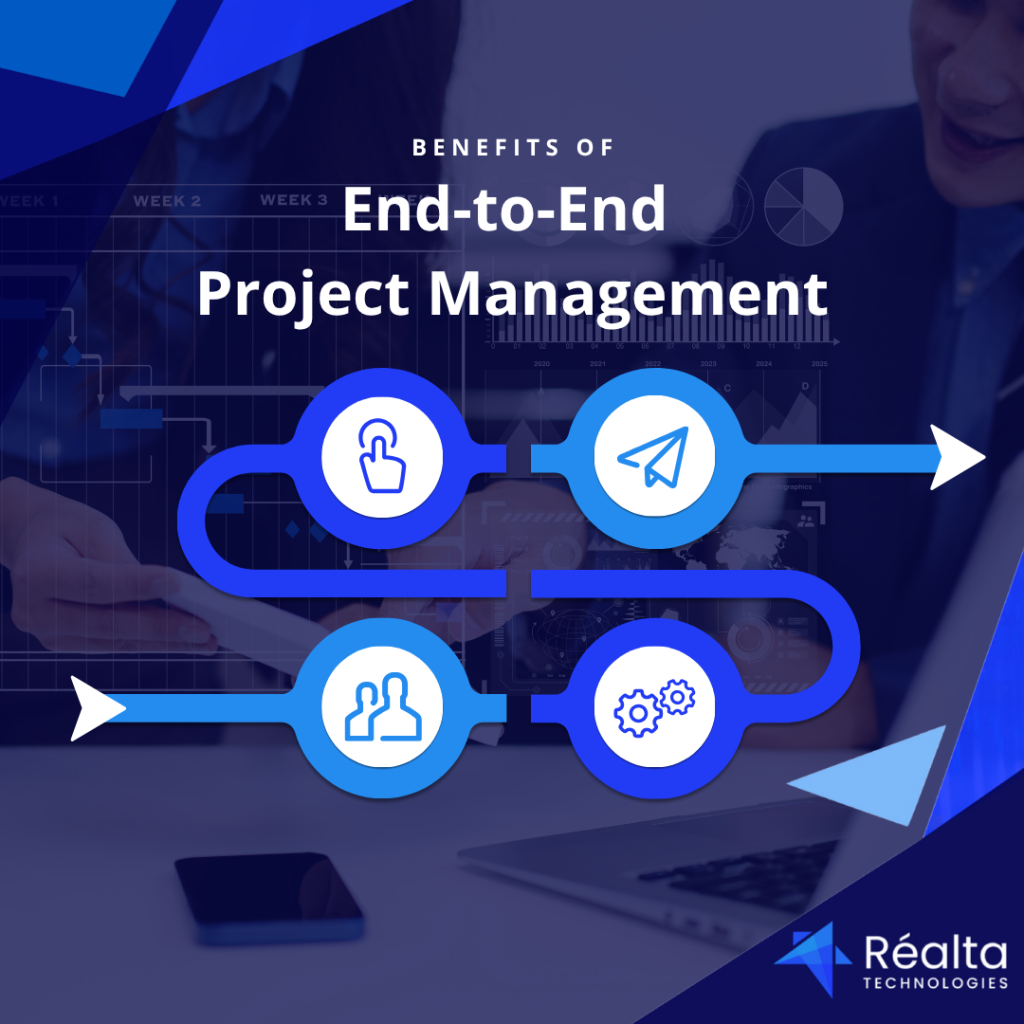
Benefits of Project management when deploying GXP applications in highly regulated manufacturing environment
Benefits of Project management when deploying GXP applications in highly regulated manufacturing environment
Benefits of Project management when deploying GXP applications in highly regulated manufacturing environment
Manufacturers today are investing heavily in automation, digital transformation and industrial data platforms to improve efficiency, increase productivity and remain competitive. However, while selecting the right technology is important, successful projects are rarely defined by technology alone.
Whether upgrading a distributed control system (DCS), implementing data infrastructure, migrating an industrial data historian such as AVEVA PI System or Canary Labs, or deploying modern data technologies such as HighByte Intelligence Hub, HiveMQ or Crosser, every project introduces operational, technical and organisational complexity.
The difference between a successful implementation and a costly delay often comes down to one critical factor: project management.
According to the Project Management Institute (PMI), organisations with mature project management practices waste significantly less investment than those with lower project management maturity. At the same time, research from McKinsey continues to show that a large proportion of digital transformation programmes fail to achieve their intended objectives, not because the technology is wrong, but because projects lack clear governance, stakeholder alignment and structured delivery.
For manufacturers operating in highly regulated industries, where downtime, compliance and validation all have significant commercial implications, effective project management is not simply beneficial. It is essential.
Manufacturing Projects Are Becoming Increasingly Complex
Modern manufacturing facilities rely on a growing ecosystem of interconnected technologies. Automation systems, SCADA platforms, industrial historians, ERP systems, laboratory applications, reporting tools and AI platforms must all work together seamlessly to support production.
Unlike standalone IT projects, manufacturing programmes often involve production teams, engineering, validation, quality assurance, IT, operations, external vendors and equipment suppliers. Many of these stakeholders have competing priorities while working to immovable production schedules.
Consider a pharmaceutical facility upgrading its data historian during a planned shutdown. Engineering teams must coordinate infrastructure upgrades, quality teams need to execute validation protocols, production schedules have to be maintained and every connected interface must continue to preserve critical operational data. A delay of only a few hours can have a significant impact on production, compliance and project costs.
Managing this level of complexity requires more than technical expertise. It requires experienced project leadership that understands manufacturing operations as well as technology.
One Team, One Plan, One Point of Accountability
One of the biggest advantages of an end-to-end project management service is that every workstream is coordinated through a single delivery team.
Rather than managing multiple contractors, software vendors, engineering consultants and internal departments independently, manufacturers have one central point of accountability responsible for planning, communication, scheduling and execution.
This approach reduces duplication of effort, accelerates decision-making and ensures every stakeholder is working towards the same objectives. More importantly, it allows potential issues to be identified and resolved before they begin affecting other parts of the project.
For organisations delivering large-scale automation or digital transformation programmes, this level of visibility can significantly reduce project risk.
Reducing Risk Before It Impacts Production
Every manufacturing project carries risk.
Whether it is an automation upgrade during a shutdown, a data infrastructure implementation or the migration of a critical industrial data platform, unexpected issues can quickly escalate if they are not identified early.
Comprehensive project management introduces structured governance from the outset. Detailed project schedules, resource planning, risk registers, stakeholder reviews, contingency planning and change management all contribute to reducing uncertainty throughout the project lifecycle.
Rather than reacting to problems as they arise, experienced project managers anticipate challenges and put mitigation plans in place before they impact delivery.
For manufacturers operating within GMP-regulated environments, this proactive approach is particularly valuable, helping to minimise operational disruption while maintaining compliance.
Delivering Projects Within Critical Shutdown Windows
Manufacturing projects rarely have the luxury of flexible timelines.
Many automation upgrades, control system migrations and infrastructure improvements must be completed during planned shutdowns where every hour is carefully scheduled.
Missing a shutdown window can delay production, increase costs and create significant operational challenges.
Experienced project managers understand how to coordinate engineering activities, validation, infrastructure, commissioning and stakeholder approvals within extremely tight delivery windows. Detailed planning, daily progress reviews and clear communication help ensure work is completed in the correct sequence without compromising quality or compliance.
When every task is carefully coordinated, manufacturers gain confidence that projects will be delivered on schedule and production can resume as planned.
Coordinating Complex Technology Integrations
One of the biggest challenges facing manufacturers today is integrating multiple technologies into a connected operational environment.
A modern project may involve automation platforms, industrial historians, SCADA systems, ERP software, laboratory systems and cloud analytics, all exchanging data in real time.
Technologies such as HighByte Intelligence Hub, HiveMQ and Crosser are helping organisations create more connected, scalable architectures, but successfully integrating these solutions requires careful planning and coordination.
Project management ensures that each technology is implemented as part of a single programme rather than a collection of disconnected initiatives. This not only reduces implementation risk but also creates a stronger foundation for future digital transformation and AI adoption.
Bringing People Together
Technology projects succeed because of people.
Engineering teams, production operators, validation specialists, IT professionals and quality departments all play critical roles in project delivery. Each group has different priorities, responsibilities and timelines.
A dedicated project management team acts as the central point of communication, ensuring information flows effectively across the organisation and decisions are made quickly. Clear governance and regular stakeholder engagement improve collaboration, reduce misunderstandings and help maintain momentum throughout the project.
This often becomes one of the most valuable aspects of project management, particularly on large or business-critical programmes.
Compliance Cannot Be an Afterthought
For manufacturers operating within the pharmaceutical, biotechnology and medical device sectors, compliance is built into every stage of project delivery.
Validation planning, documentation, quality requirements and regulatory expectations must all be considered alongside engineering and technical activities.
An end-to-end project management approach ensures these workstreams progress together rather than independently. Documentation is prepared in parallel with implementation, validation activities are scheduled alongside commissioning and quality teams remain engaged throughout the project lifecycle.
This integrated approach helps reduce delays, minimise rework and ensure systems are fully qualified before returning to production.
Delivering Value Beyond Go-Live
A successful project does not end when a system is switched on.
The real measure of success is whether the project delivers lasting operational improvements.
An effective project management service ensures systems are fully integrated into existing operations, documentation is complete, users are trained and future expansion has been considered from the outset.
The result is greater operational resilience, improved collaboration, reduced risk and technology investments that continue to deliver value long after implementation has been completed.
Why Partner with Réalta Technologies?
At Réalta Technologies, we understand that delivering successful manufacturing projects requires far more than technical capability.
Our project managers combine expertise in automation, industrial data, digital transformation and regulated manufacturing with practical experience managing complex engineering programmes from concept through to completion.
Whether delivering automation upgrades, industrial data platforms, data infrastructure implementations, control system migrations or wider digital transformation programmes, we work alongside our customers to coordinate every stage of the journey.
Our focus is simple: reduce risk, improve delivery timelines, maintain compliance and ensure every project delivers measurable business value.
Conclusion
As manufacturing continues to embrace digital transformation, project complexity will only continue to grow. New technologies such as AI, Industrial IoT, connected data architectures and advanced automation are creating enormous opportunities, but only when implemented through a structured and coordinated approach.
The most successful manufacturers recognise that project management is not an administrative function. It is a strategic capability that aligns people, technology and processes to achieve better outcomes.
By partnering with an experienced end-to-end project management team, organisations can reduce risk, accelerate delivery and maximise the return on every investment in manufacturing technology.
At Réalta Technologies, that’s exactly what we help our customers achieve every day.
Contact us today to learn how we can help you;
💻 https://realtatechnologies.com
📞 IRL: +353 21 243 9113 | US: +1 302 509 4401

What does a systems integrator do in regulated manufacturing?
What does a systems integrator actually do in a regulated manufacturing environment? We explore the role across automation, operational data infrastructure, analytics, testing, lifecycle management

How to Choose a Life Science System Integrator Partner
Choosing the right pharmaceutical automation partner requires more than comparing technology and costs. This guide explains how manufacturers in Ireland, the EU and the US
Benefits of Project management when deploying GXP applications in highly regulated manufacturing environment
Manufacturing projects involve multiple stakeholders, complex technologies and strict timelines. Discover how an end-to-end project management service helps reduce risk, improve collaboration and deliver successful
Benefits of Project management when deploying GXP applications in highly regulated manufacturing environment
Benefits of Project management when deploying GXP applications in highly regulated manufacturing environment
Manufacturers today are investing heavily in automation, digital transformation and industrial data platforms to improve efficiency, increase productivity and remain competitive. However, while selecting the right technology is important, successful projects are rarely defined by technology alone.
Whether upgrading a distributed control system (DCS), implementing data infrastructure, migrating an industrial data historian such as AVEVA PI System or Canary Labs, or deploying modern data technologies such as HighByte Intelligence Hub, HiveMQ or Crosser, every project introduces operational, technical and organisational complexity.
The difference between a successful implementation and a costly delay often comes down to one critical factor: project management.
According to the Project Management Institute (PMI), organisations with mature project management practices waste significantly less investment than those with lower project management maturity. At the same time, research from McKinsey continues to show that a large proportion of digital transformation programmes fail to achieve their intended objectives, not because the technology is wrong, but because projects lack clear governance, stakeholder alignment and structured delivery.
For manufacturers operating in highly regulated industries, where downtime, compliance and validation all have significant commercial implications, effective project management is not simply beneficial. It is essential.
Manufacturing Projects Are Becoming Increasingly Complex
Modern manufacturing facilities rely on a growing ecosystem of interconnected technologies. Automation systems, SCADA platforms, industrial historians, ERP systems, laboratory applications, reporting tools and AI platforms must all work together seamlessly to support production.
Unlike standalone IT projects, manufacturing programmes often involve production teams, engineering, validation, quality assurance, IT, operations, external vendors and equipment suppliers. Many of these stakeholders have competing priorities while working to immovable production schedules.
Consider a pharmaceutical facility upgrading its data historian during a planned shutdown. Engineering teams must coordinate infrastructure upgrades, quality teams need to execute validation protocols, production schedules have to be maintained and every connected interface must continue to preserve critical operational data. A delay of only a few hours can have a significant impact on production, compliance and project costs.
Managing this level of complexity requires more than technical expertise. It requires experienced project leadership that understands manufacturing operations as well as technology.
One Team, One Plan, One Point of Accountability
One of the biggest advantages of an end-to-end project management service is that every workstream is coordinated through a single delivery team.
Rather than managing multiple contractors, software vendors, engineering consultants and internal departments independently, manufacturers have one central point of accountability responsible for planning, communication, scheduling and execution.
This approach reduces duplication of effort, accelerates decision-making and ensures every stakeholder is working towards the same objectives. More importantly, it allows potential issues to be identified and resolved before they begin affecting other parts of the project.
For organisations delivering large-scale automation or digital transformation programmes, this level of visibility can significantly reduce project risk.
Reducing Risk Before It Impacts Production
Every manufacturing project carries risk.
Whether it is an automation upgrade during a shutdown, a data infrastructure implementation or the migration of a critical industrial data platform, unexpected issues can quickly escalate if they are not identified early.
Comprehensive project management introduces structured governance from the outset. Detailed project schedules, resource planning, risk registers, stakeholder reviews, contingency planning and change management all contribute to reducing uncertainty throughout the project lifecycle.
Rather than reacting to problems as they arise, experienced project managers anticipate challenges and put mitigation plans in place before they impact delivery.
For manufacturers operating within GMP-regulated environments, this proactive approach is particularly valuable, helping to minimise operational disruption while maintaining compliance.
Delivering Projects Within Critical Shutdown Windows
Manufacturing projects rarely have the luxury of flexible timelines.
Many automation upgrades, control system migrations and infrastructure improvements must be completed during planned shutdowns where every hour is carefully scheduled.
Missing a shutdown window can delay production, increase costs and create significant operational challenges.
Experienced project managers understand how to coordinate engineering activities, validation, infrastructure, commissioning and stakeholder approvals within extremely tight delivery windows. Detailed planning, daily progress reviews and clear communication help ensure work is completed in the correct sequence without compromising quality or compliance.
When every task is carefully coordinated, manufacturers gain confidence that projects will be delivered on schedule and production can resume as planned.
Coordinating Complex Technology Integrations
One of the biggest challenges facing manufacturers today is integrating multiple technologies into a connected operational environment.
A modern project may involve automation platforms, industrial historians, SCADA systems, ERP software, laboratory systems and cloud analytics, all exchanging data in real time.
Technologies such as HighByte Intelligence Hub, HiveMQ and Crosser are helping organisations create more connected, scalable architectures, but successfully integrating these solutions requires careful planning and coordination.
Project management ensures that each technology is implemented as part of a single programme rather than a collection of disconnected initiatives. This not only reduces implementation risk but also creates a stronger foundation for future digital transformation and AI adoption.
Bringing People Together
Technology projects succeed because of people.
Engineering teams, production operators, validation specialists, IT professionals and quality departments all play critical roles in project delivery. Each group has different priorities, responsibilities and timelines.
A dedicated project management team acts as the central point of communication, ensuring information flows effectively across the organisation and decisions are made quickly. Clear governance and regular stakeholder engagement improve collaboration, reduce misunderstandings and help maintain momentum throughout the project.
This often becomes one of the most valuable aspects of project management, particularly on large or business-critical programmes.
Compliance Cannot Be an Afterthought
For manufacturers operating within the pharmaceutical, biotechnology and medical device sectors, compliance is built into every stage of project delivery.
Validation planning, documentation, quality requirements and regulatory expectations must all be considered alongside engineering and technical activities.
An end-to-end project management approach ensures these workstreams progress together rather than independently. Documentation is prepared in parallel with implementation, validation activities are scheduled alongside commissioning and quality teams remain engaged throughout the project lifecycle.
This integrated approach helps reduce delays, minimise rework and ensure systems are fully qualified before returning to production.
Delivering Value Beyond Go-Live
A successful project does not end when a system is switched on.
The real measure of success is whether the project delivers lasting operational improvements.
An effective project management service ensures systems are fully integrated into existing operations, documentation is complete, users are trained and future expansion has been considered from the outset.
The result is greater operational resilience, improved collaboration, reduced risk and technology investments that continue to deliver value long after implementation has been completed.
Why Partner with Réalta Technologies?
At Réalta Technologies, we understand that delivering successful manufacturing projects requires far more than technical capability.
Our project managers combine expertise in automation, industrial data, digital transformation and regulated manufacturing with practical experience managing complex engineering programmes from concept through to completion.
Whether delivering automation upgrades, industrial data platforms, data infrastructure implementations, control system migrations or wider digital transformation programmes, we work alongside our customers to coordinate every stage of the journey.
Our focus is simple: reduce risk, improve delivery timelines, maintain compliance and ensure every project delivers measurable business value.
Conclusion
As manufacturing continues to embrace digital transformation, project complexity will only continue to grow. New technologies such as AI, Industrial IoT, connected data architectures and advanced automation are creating enormous opportunities, but only when implemented through a structured and coordinated approach.
The most successful manufacturers recognise that project management is not an administrative function. It is a strategic capability that aligns people, technology and processes to achieve better outcomes.
By partnering with an experienced end-to-end project management team, organisations can reduce risk, accelerate delivery and maximise the return on every investment in manufacturing technology.
At Réalta Technologies, that’s exactly what we help our customers achieve every day.
Contact us today to learn how we can help you;
💻 https://realtatechnologies.com
📞 IRL: +353 21 243 9113 | US: +1 302 509 4401
What does a systems integrator do in regulated manufacturing?
What does a systems integrator actually do in a regulated manufacturing environment? We explore the role across automation, operational data infrastructure, analytics, testing, lifecycle management
How to Choose a Life Science System Integrator Partner
Choosing the right pharmaceutical automation partner requires more than comparing technology and costs. This guide explains how manufacturers in Ireland, the EU and the US
Benefits of Project management when deploying GXP applications in highly regulated manufacturing environment
Manufacturing projects involve multiple stakeholders, complex technologies and strict timelines. Discover how an end-to-end project management service helps reduce risk, improve collaboration and deliver successful
